Can't walk with us on the Camino?
Join us VIRTUALLY!
Answering Your Questions
Here we cover the questions you may have.
If there is anything we haven't adressed feel free to contact us.
The Camino de Santiago began in the 9th century when a shepherd named Pelayo had a vision of a field of stars over a forgotten tomb of St. James the Greater. He followed the celestial sign along a path and discovered the tomb in Galicia, northwest Spain.
Word spread, and soon pilgrims from across Europe were streaming west along the "Way of St. James". They built bridges, hostels, and cathedrals that still stand. It blossomed into one of Christianity's greatest pilgrimages.
Though interest slowed for centuries, the path was never officially closed. Today the Camino is alive and electric - a profound journey for the modern soul, for people of all faiths and no faith. This renaissance draws spiritual seekers, avid hikers, cyclists and even a few horseback riders who come for adventure, healing, deep reflection or simply the best conversation of their lives with strangers amid breathtaking landscapes.
If you want to go deeper into the history of the Camino, you can start here. We also recommend watching the movie "The Way" with Martin Sheen and his son Emilio Estevez. It's a sad but beautiful tale of a father and son and loss on the Camino - have your tissues ready.
What actually is the Camino de Santiago?
1. What are the physical requirements and daily experience on the Camino?
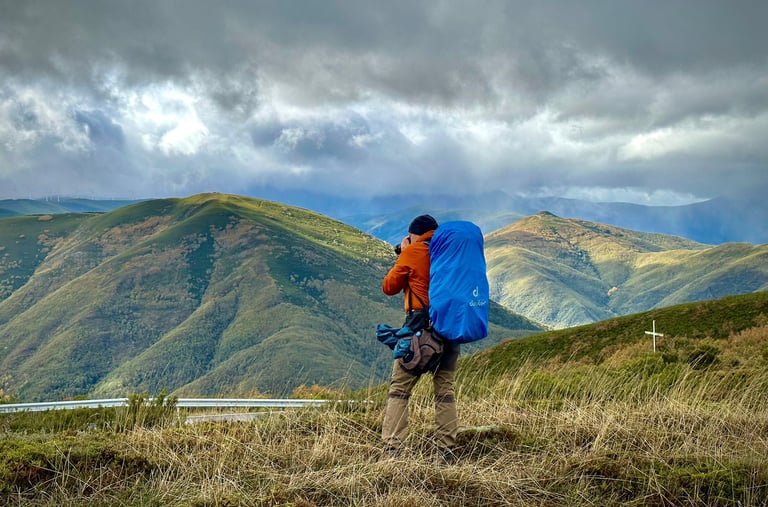
The Camino is suitable for people with average fitness. It requires stamina rather than extreme athletic ability, and prior hiking experience is not necessary—many first-timers succeed. No age limits apply (teens to 80s+), provided you're in good health; consult a doctor if over 60, with medical conditions, or recent injuries. Many with joint issues or other health considerations complete it by adjusting distances or taking rest days—just let us know if you think you might need this arranged.
Expect to walk 15–25 km (9–15 mi) per day on varied terrain—flat paths, rolling hills, forest trails, and occasional steep sections— typically taking 4–8 hours with breaks. Our guided walk includes a rest day for those on the two-week walk. You’ll have daily check-ins from experienced pilgrim David, and, as already mentioned above, support vehicles can be arranged for shortcuts or extra rest if really needed, ensuring everyone participates at their own pace without pressure.
2. How should I prepare physically for the walk?
Ideally, train 2–3 months in advance, depending on your current fitness level. David will provide all training tips and recommendations if you join.
3. What should I pack, and how heavy will my backpack be?
Pack light with essentials like comfortable clothes, rain gear, and toiletries; aim for a backpack under 10% of your body weight (6–10 kg). Use well-broken-in shoes or boots and double-layer blister-proof socks. Luggage transfer services are available to carry heavier items between stops, allowing you to walk lighter if needed. A detailed packing list will be provided when you join.
4. Weather/Trail Conditions
In May, walking conditions on the Camino are generally good but variable. You can expect:
Weather: Mild temperatures (approx 20°C/68°F highs, 10°C/50°F lows) make for comfortable walking, but frequent showers (50% chance) can make surfaces slick. Fog or mist is possible in the mornings, reducing visibility.
Trail Conditions: Mix of coastal paths, forest trails, and some paved roads, with moderate elevation changes (hills, not mountains). Paths can be muddy or slippery after rain, especially on dirt trails. Walking Poles are helpful.
Physical Requirements & Weather/Trail Conditions
Grief doesn’t obey calendars, and “readiness” can feel complicated. So before you commit, you’ll have a free 30-minute call with Stacy — a safe place to share where you’re at and to feel whether this is right for you now.
There is no right timeline, just the one your heart whispers.
Emotional Readiness
Participants: You may want to come as a couple or solo. You may want to come with a trusted companion. It is important that all participants are ready for the walk, not only physically and emotionally, but also understand the sacredness of this space. Let’s talk gently about your situation and see what feels right.
While we love children, this walk is focused on adults only.
Group Size: We keep the group small, up to 12 participants plus our team, so everyone feels seen.
Can friends/relatives/children join? And what’s the group size?
All beliefs are honoured: This is a non-religious program. Since we will be reflecting on the topic of death, discussions of a spiritual nature may naturally arise; however, we respect that everyone has their own beliefs, and we will not be teaching or preaching subjects of a religious nature. While the Camino has its origins in Christianity, nowadays people of all faiths and no faith walk the Camino for a wide variety of personal reasons, which is respected and endorsed.
Confidentiality: What is said on the Camino stays on the Camino. The stories that people share are sacred and should stay within the circle of participants.
Silence is always an option: We respect that what people share or don't share is entirely up to their discretion. Even if participants don't tell their story for the entire journey, it is perfectly fine. The healing will still magically happen.
Cultural diversity: Participants from all over the world are welcome; grief does not know boundaries. The only consideration is that the program will be delivered in English. No proficiency is required, just the comfort to speak and understand the language.
Drug and alcohol free: To enable a greater presence with what we are going through, without any altered states — clear minds, open hearts, grounded feet.
Cigarette/Vape Smoking: only outside and away from others. No marijuana is allowed; it is illegal in Portugal and Spain.
There will be more agreements on the way, but these are the main ones to consider before making a decision to join the walk.
Main agreements that we ask participants to honour
Travel Arrangements:
Getting There: In general, we recommend you to fly from your home city to Porto (if you are starting on the 2nd May) or to A Coruna (If you are starting on the 9th May). From there, we will provide options for reaching the grouo, depending if you’re joining us on the one-week or two-week walk
Getting Home: The best airport to depart from is A Coruna, as Santiago airport will be closed. We can also recommend other options, depending on where you are flying to.
Visas: It’s your responsibility if you need a visa to Portugal / Spain / Schengen Zone.
Insurance: Travel insurance is mandatory and must be organised by you.
Travel Arrangements, Visas & Insurance
Meals: Food in regional Portugal and Spain is known for being very basic. Think meat, cheese, potatoes, basic salads. Vegitarian options are limited, vegan is even more challenging, but we can help you to navigate this. All meals will be either at the accommodations or at local cafes or restaurants. Please let us know if you have any allergies or dietary requirements, and we will do our best to cater for your needs.
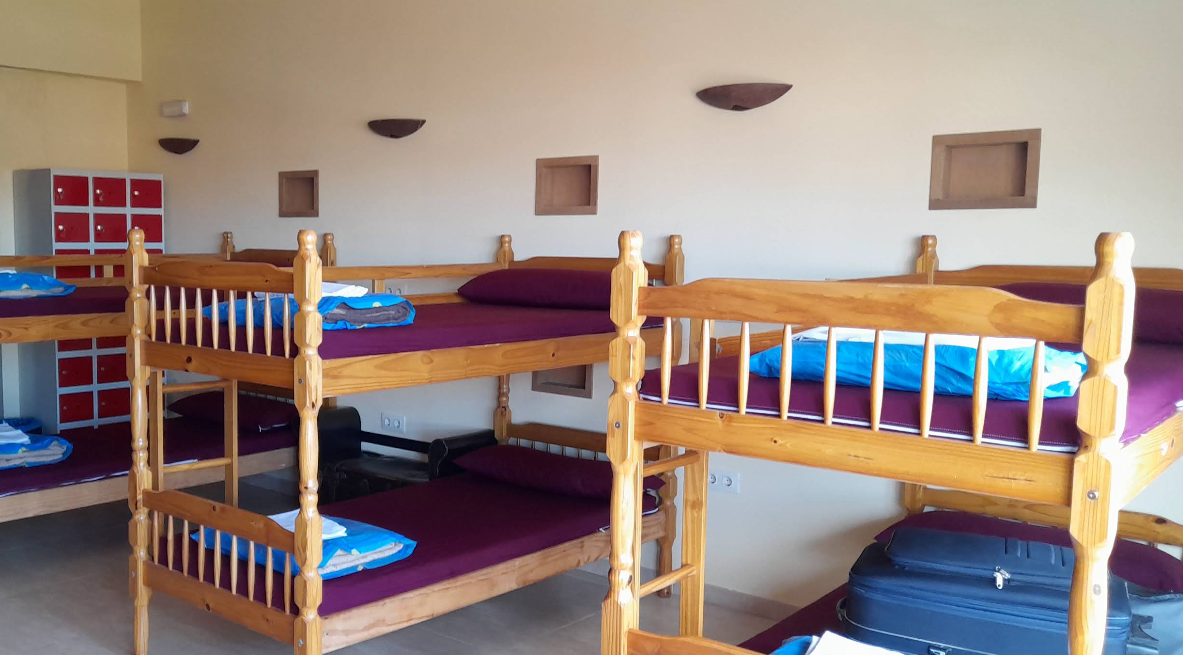
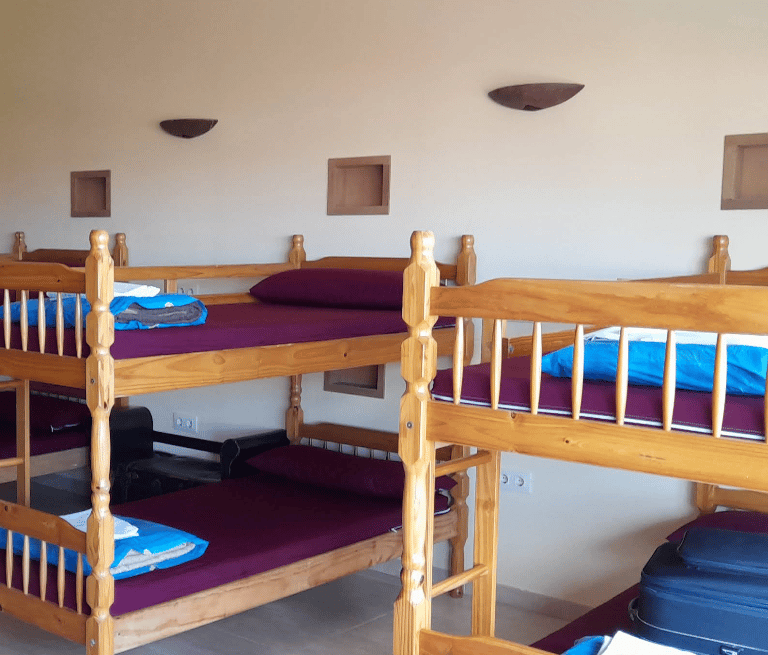
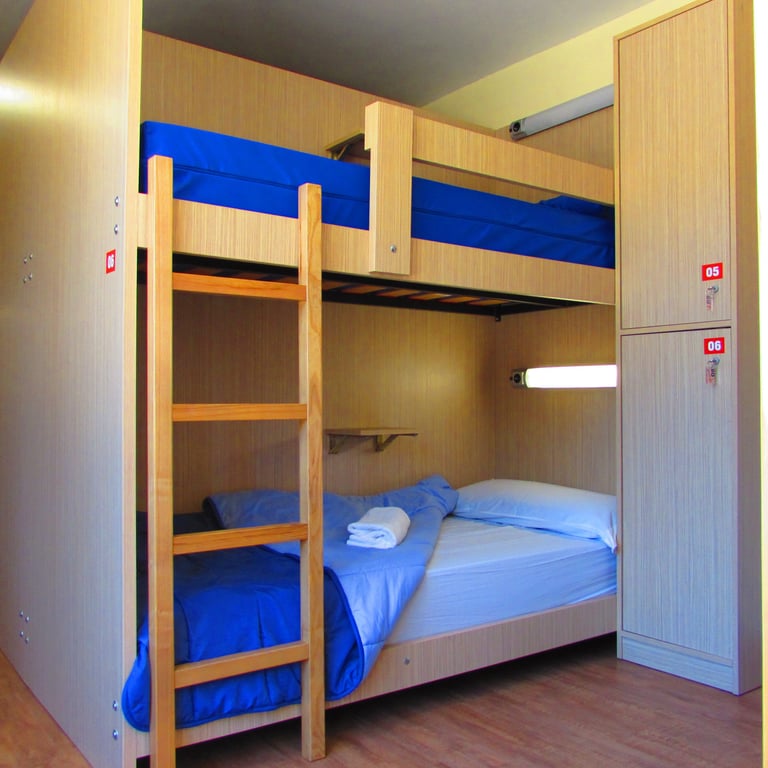
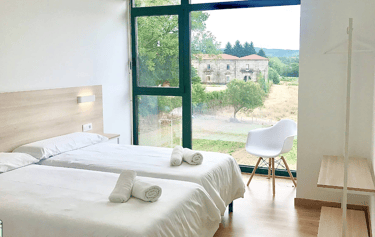
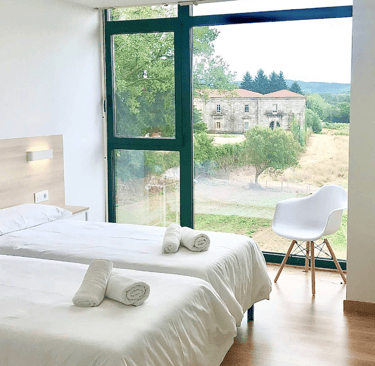
Accommodation: All accommodations have been carefully pre-selected. We have chosen the best - clean and modern, but authentic.
In an effort to make this Camino as authentic as possible and to honour the pilgrim spirit, we will stay in many Pilgrims' Albergues (Camino hostels), so you get to enjoy the real experience and camaraderie that develops on the way.
However for a softer start and ending, the first night and last two nights will be in a different accommodation type (hotel or house), offering more privacy and comfort.
Alberugues will cost approx. €25–40 per night/per person. Hotels will cost approx. €60-80 per night/per person. The total per week will be approx. €350 per person.
We can book everything for you, or share the accommodation list so you can book yourself - whatever works better for you.
Meals and Accomodation
Contact us using the details below and we can help you out!
Did we miss anything?
Get in touch
healingstepsforyou@gmail.com
WhatsApp: +61 427 089 223
© 2025. All rights reserved.